Modern Anglers And Their Fly Patterns: Jeff Hickman
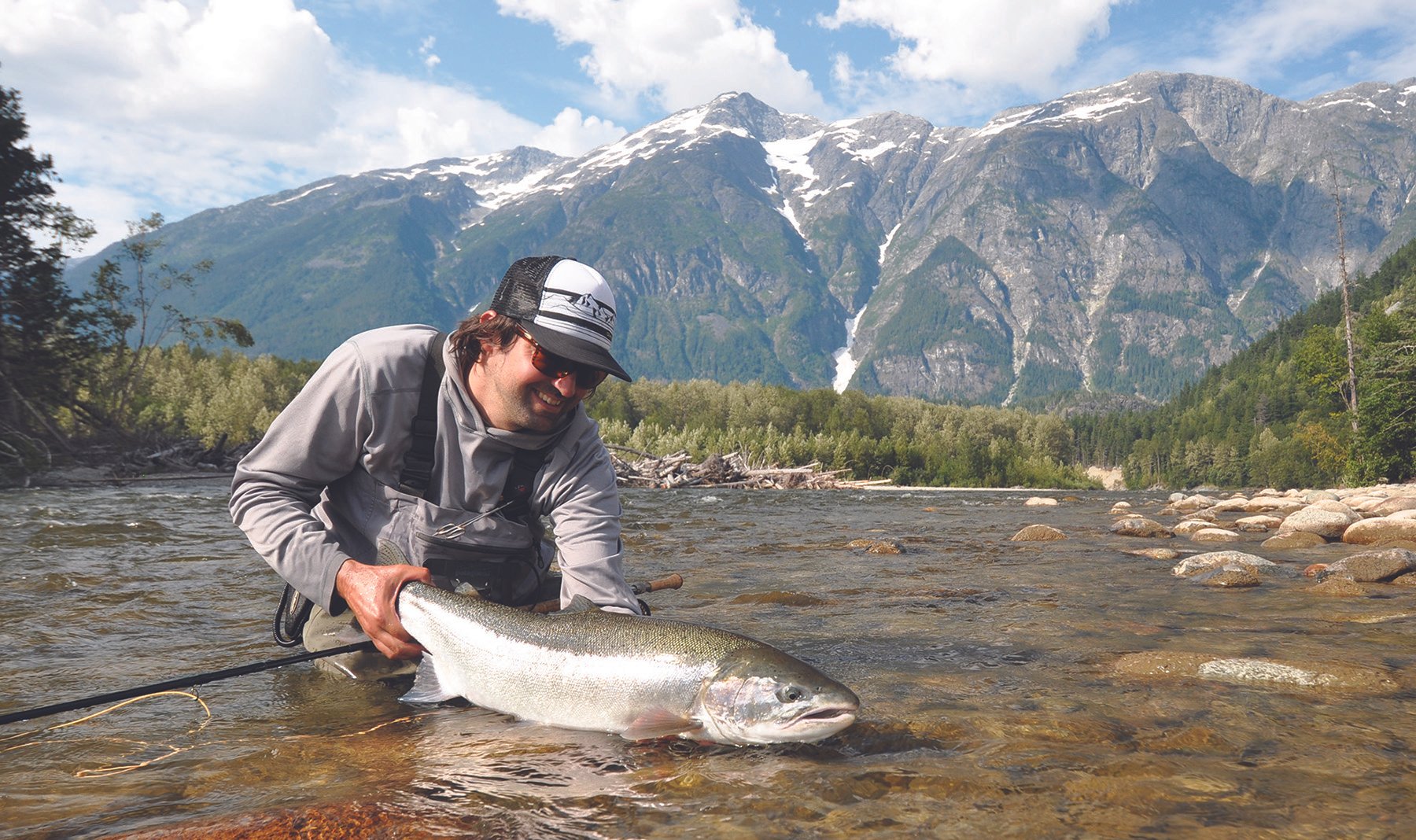
Jeff Hickman releasing a fine wild steelhead back into its native Dean River in British Columbia.
More than thirty years ago, Steelhead Fly Fishing included a section called “The Anglers and Their Fly Patterns.” It recognized the people who had helped shape the sport through skill, influence, innovation, and a lifetime spent around rivers and fish. Now, more than three decades later, the steelhead world has changed. The rivers are more pressured. Wild fish are less abundant. Conservation is now part of the conversation whether we like it or not. With that in mind, this new series looks at well-known modern anglers, guides, advocates, and teachers who are helping shape steelhead fly fishing today.
The first of these profiles is Jeff Hickman.
Jeff Hickman is one of the best-known figures in modern Pacific Northwest steelhead fly fishing. He is a guide, outfitter, fly designer, lodge owner, and advocate for wild rivers and wild fish. Hickman represents a newer kind of great angler: someone whose influence comes not only from fishing ability, but from the rivers he works to protect and the anglers he teaches.
His fishing life is tied to some of the most important steelhead waters in the Pacific Northwest and British Columbia, from Oregon’s coastal rivers, the Clackamas, and the lower Deschutes to the Dean River, where he operates a lodge. His year follows the seasons. Summer and fall bring the floating-line steelhead of the lower Deschutes. Winter and spring shift the focus to the rain-fed rivers of northern Oregon, with green water, sink tips, large flies, and mature winter fish. On the Dean, Hickman is connected to one of the most important steelhead rivers in the world.
The Dean River is also where Hickman’s story becomes a family story. In the Patagonia film Oly’s Dean, the focus turns to Jeff’s son, Oly, growing up around the family’s lodge on British Columbia’s remote Dean River. The film includes remarkable footage of the river itself — the canyon, the current, the wildness, and the scale of the place. It shows the Dean not only as a famous steelhead river, but as the landscape of a childhood: cold water, bears along the shoreline, anglers swinging flies, and a kid just as interested in toads, and the freedom of river life as he is in steelhead.
On a personal level, I connected with the film immediately. I grew up with a father who spent much of his life thinking about steelhead, writing about steelhead, and fishing with him on some of the great rivers in the Pacific Northwest. Because of that, Oly’s story felt familiar. It also reminded me that steelhead rivers are not simply destinations or businesses. They are places, stories, and responsibilities handed from one generation to the next.
Hickman has built his reputation on difficult rivers and difficult fish. He pays attention to the details that matter: the fly, the leader, the angle of the cast, where the angler is standing, and how the water should be covered. His own guide writing makes that clear. Under good conditions, first light may call for a larger fly and a lighter sink tip over rested fish. Later in the day, after other anglers may have already been through a run, the better choice may be a smaller fly, a heavier tip, and a careful search through the deepest slot.
His influence also extends to the flies themselves. Hickman’s Fish Taco has become one of the better-known modern steelhead and Chinook patterns. It is easy to cast, adaptable in color, and very much alive in the water. The Fish Taco shows Hickman’s practical approach to fly design: a fly meant to fish well, move well, and be cast all day. Another of his patterns, Mr. Hankey, reflects the same practical understanding of movement, profile, and fish behavior. These are working flies, designed by someone who spends a great deal of time watching how fish respond in real rivers.
But Hickman’s importance goes beyond technical skill. What makes him especially important today is the way his fishing and conservation work are connected. He has been active with the Native Fish Society for many years, serving as a river steward on Oregon’s Nehalem River and speaking out for wild fish habitat, responsible forestry, and long-term recovery. His activism comes from daily contact with rivers that still hold fish, but far fewer than they should.
For Hickman, the decline of wild steelhead is not hard to see. It is visible in clear-cuts, sediment, hatchery signs, altered watersheds, and the way each generation accepts fewer fish as normal. His criticism of hatcheries and industrial logging is direct, but it comes from a real attachment to these rivers. He is not arguing from a distance. His work, family, and future are tied to them.
That may be the defining feature of Jeff Hickman as a great angler. He is not simply a talented steelheader who also cares about conservation. He is part of a generation for whom steelhead fishing now requires advocacy. To swing a fly for wild steelhead today is to understand that the fish are not guaranteed to be there tomorrow.
There is also something traditional in Hickman’s fishing. For all the modern rods, boats, flies, and travel, his steelheading is still grounded in older values: reading water, casting well, covering the run, respecting the fish, and accepting that a grab is never owed. On the Deschutes, that may mean floating lines and skated dry flies. On winter rivers, it may mean big flies, sink tips, and long, wet days without a fish.
Great anglers are not always the ones who catch the most fish. They are the ones who leave the sport better than they found it. Jeff Hickman has done that as a guide, lodge owner, fly designer, conservation voice, and steelheader. His work is a reminder that steelhead fly fishing is not just a method. It is also a responsibility.
For readers who want to learn more about Jeff Hickman’s guiding, hosted trips, and current programs, his guide service is Fish The Swing. Through Fish The Swing and Kimsquit Bay Lodge, Hickman hosts anglers on the lower Dean River, one of the great destinations for anadromous fly fishers. The lodge sits above the turquoise waters of Kimsquit Bay, with views toward snow-capped mountains, Dean Channel, and Grantham Falls. From that position, anglers are close to the sea and below the turbid white water of the Dean Canyon, fishing for salmon and steelhead at their freshest and most powerful. As Jeff says, “We just have these fish that are glowing chrome, still with saltwater pumping through their gills.”
Maybe the best final word for this essay belongs to his son Oly. In the film, he says, “Sometimes the worst cast can catch the best fish.” It’s a child’s line, but also a steelheader’s line — funny, true, and hopeful. For a sport built on difficult fish, imperfect casts, and rivers worth protecting, that seems like the right place to end.
— Mark Combs
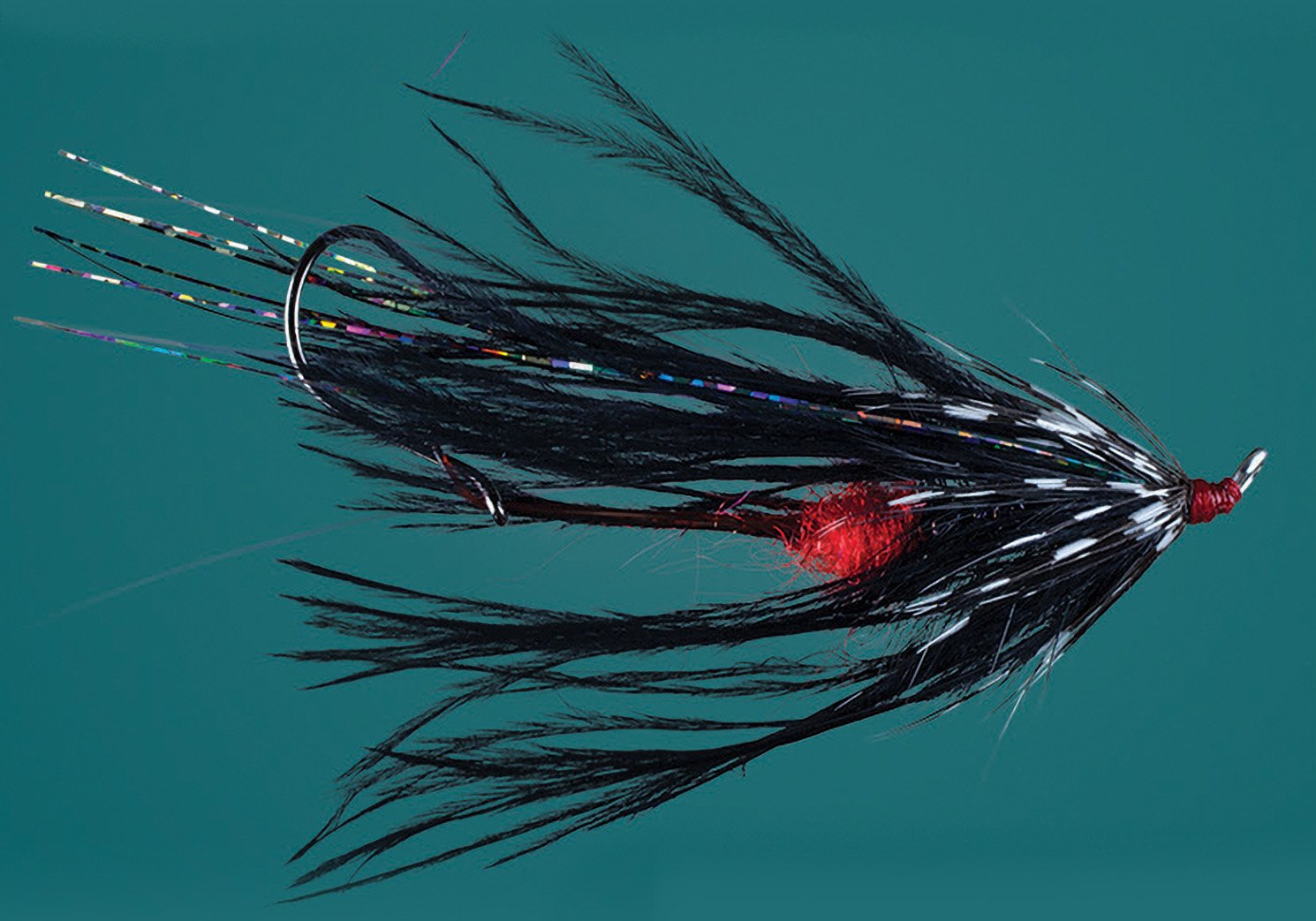
Jeff Hickman’s Fish Taco is a breeze to cast, incorporates many features of modern, effective steelhead patterns, can be tied in virtually any combination of colors, and looks scarily life-like in the water. It’s one of the deadliest—for Chinook, too.
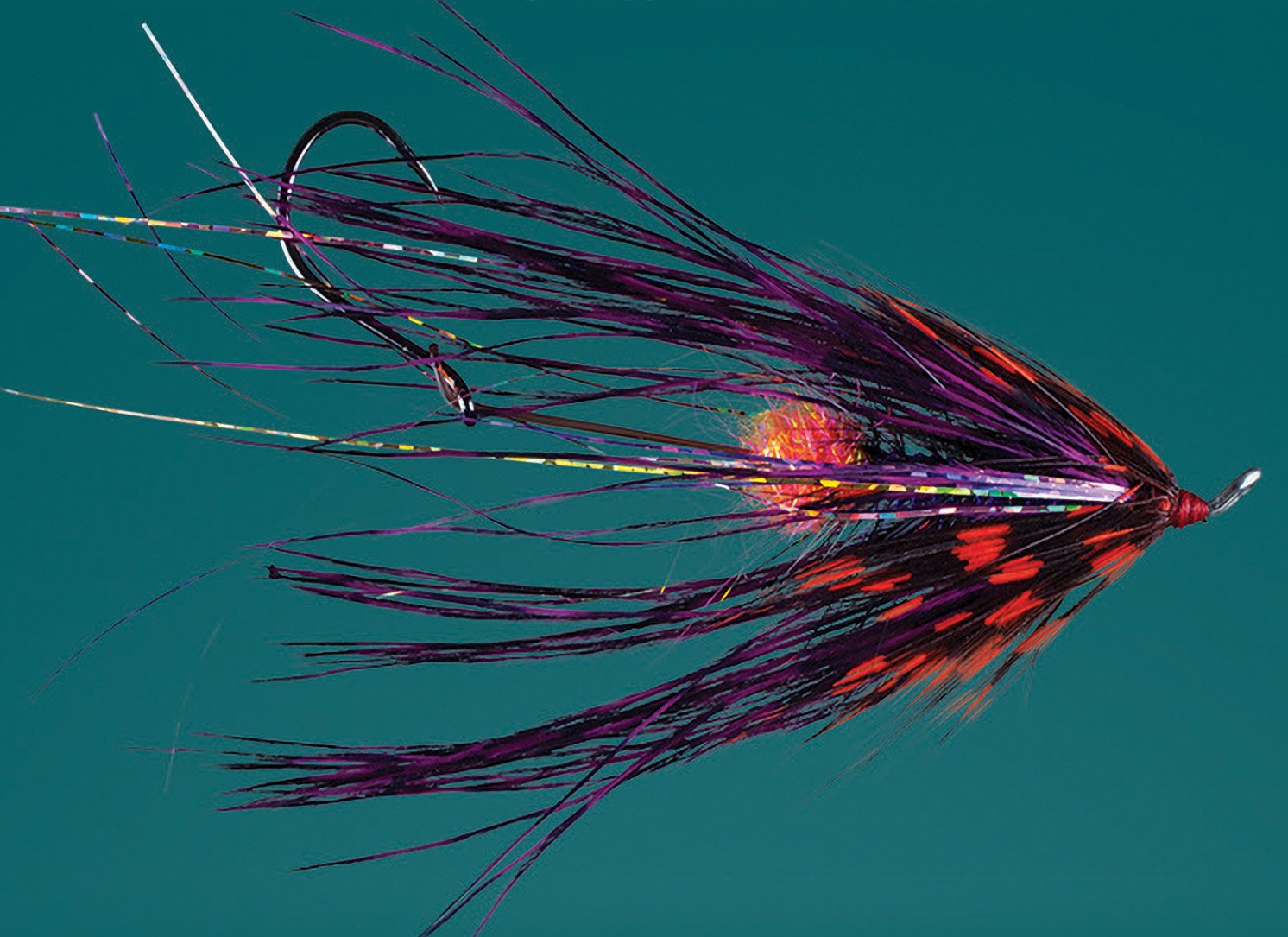
A variant of Jeff’s Fish Taco
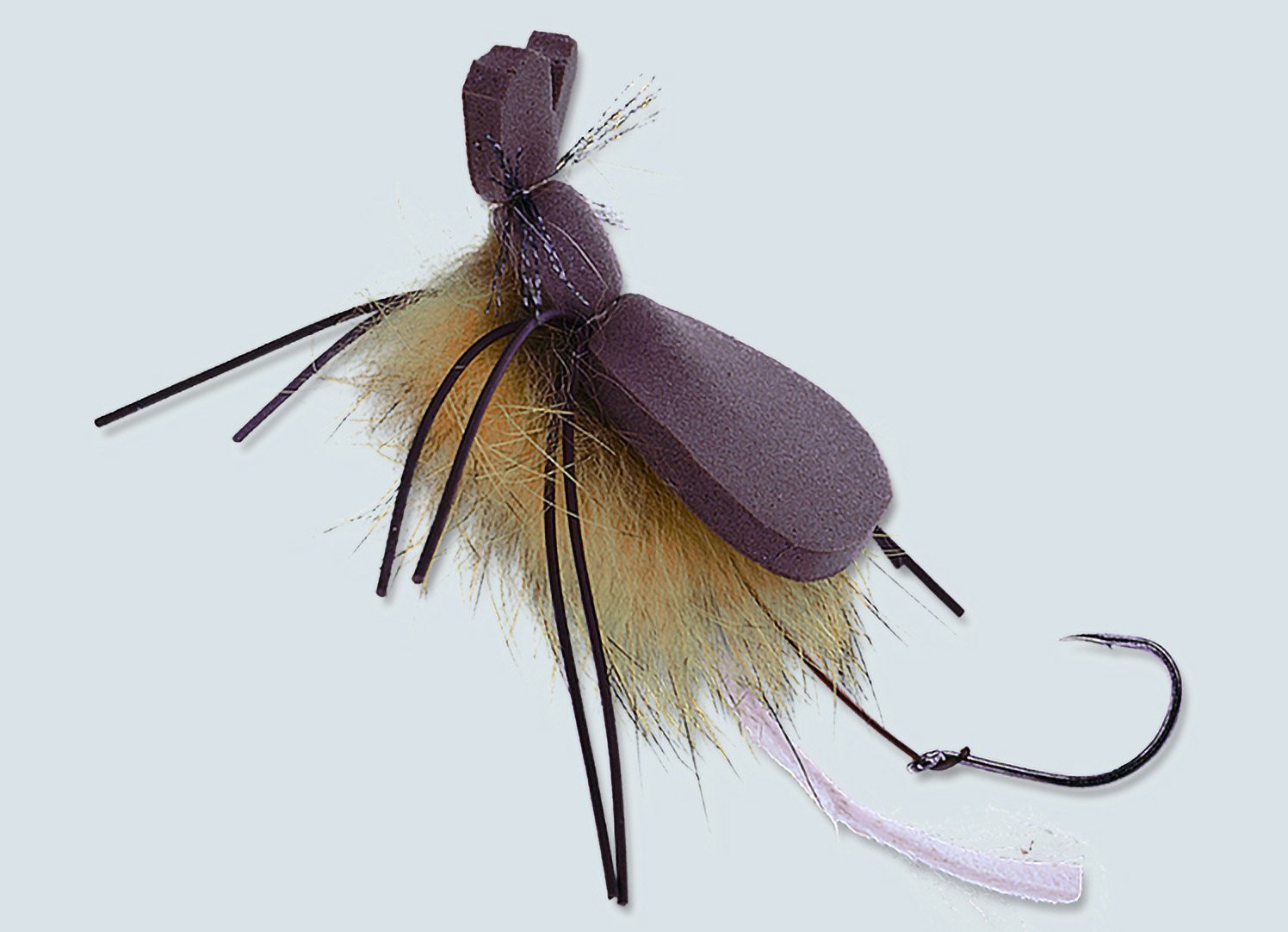
Mr. Hankey shows another side of his fly design. Originally known as a mouse pattern for large trout, Mr. Hankey has become one of Hickman’s better-known commercial patterns. Built with a rabbit body, foam back, rubber legs, and a trailing hook, it reflects the same practical design priorities found in his steelhead flies: movement, castability, and effectiveness in real fishing conditions.
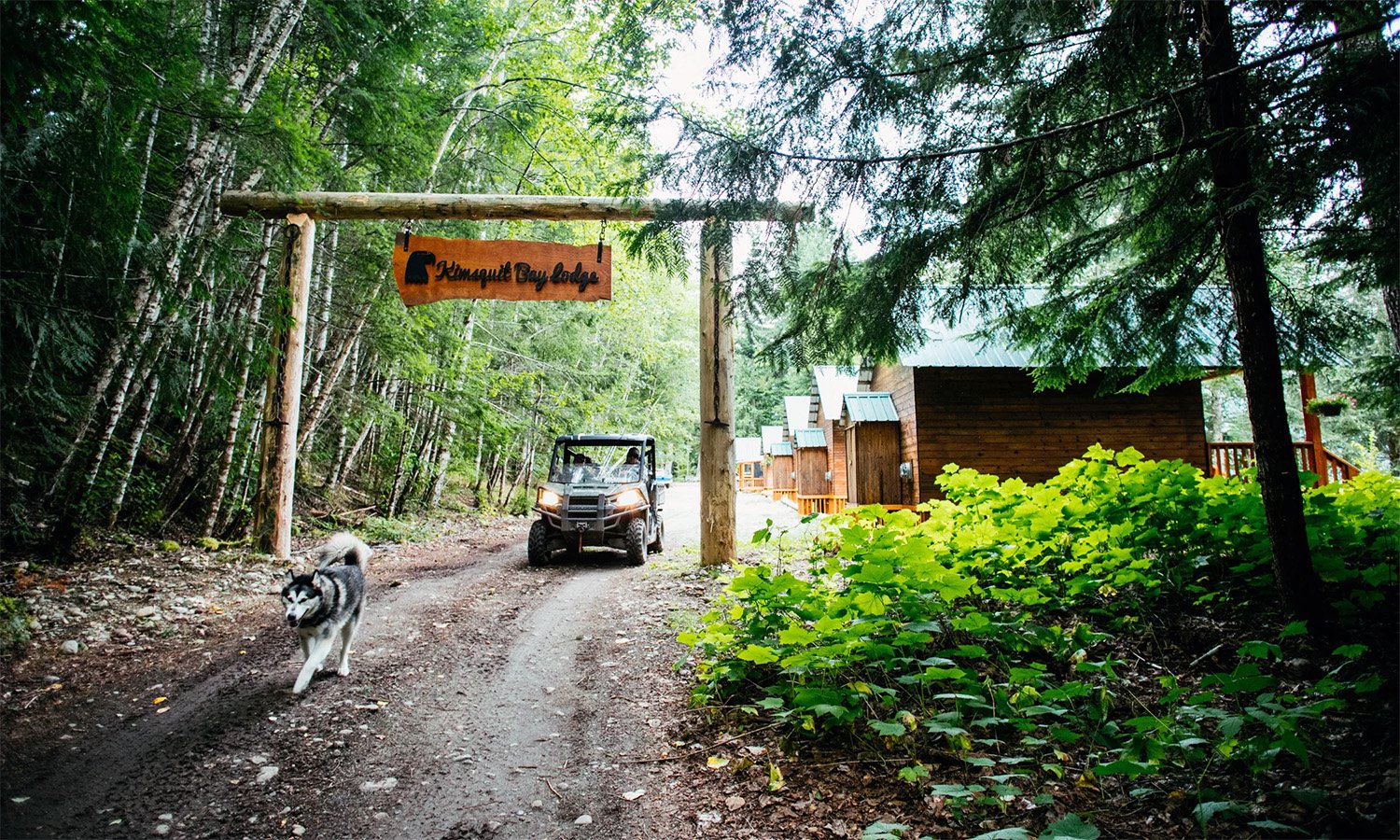
Entrance to The Kimsquit Bay Lodge
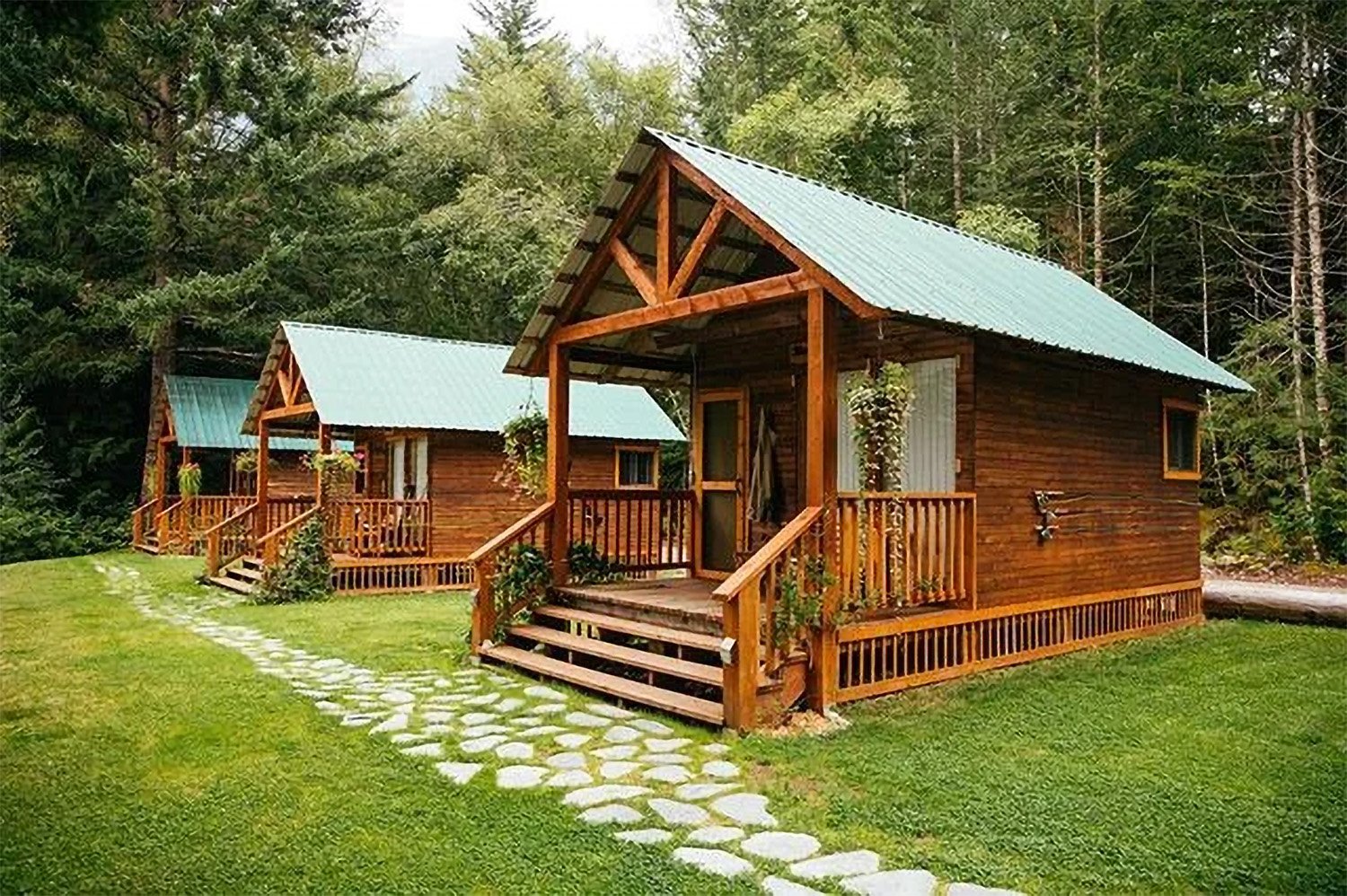
Cabins at the Kimsquit Bay Lodge
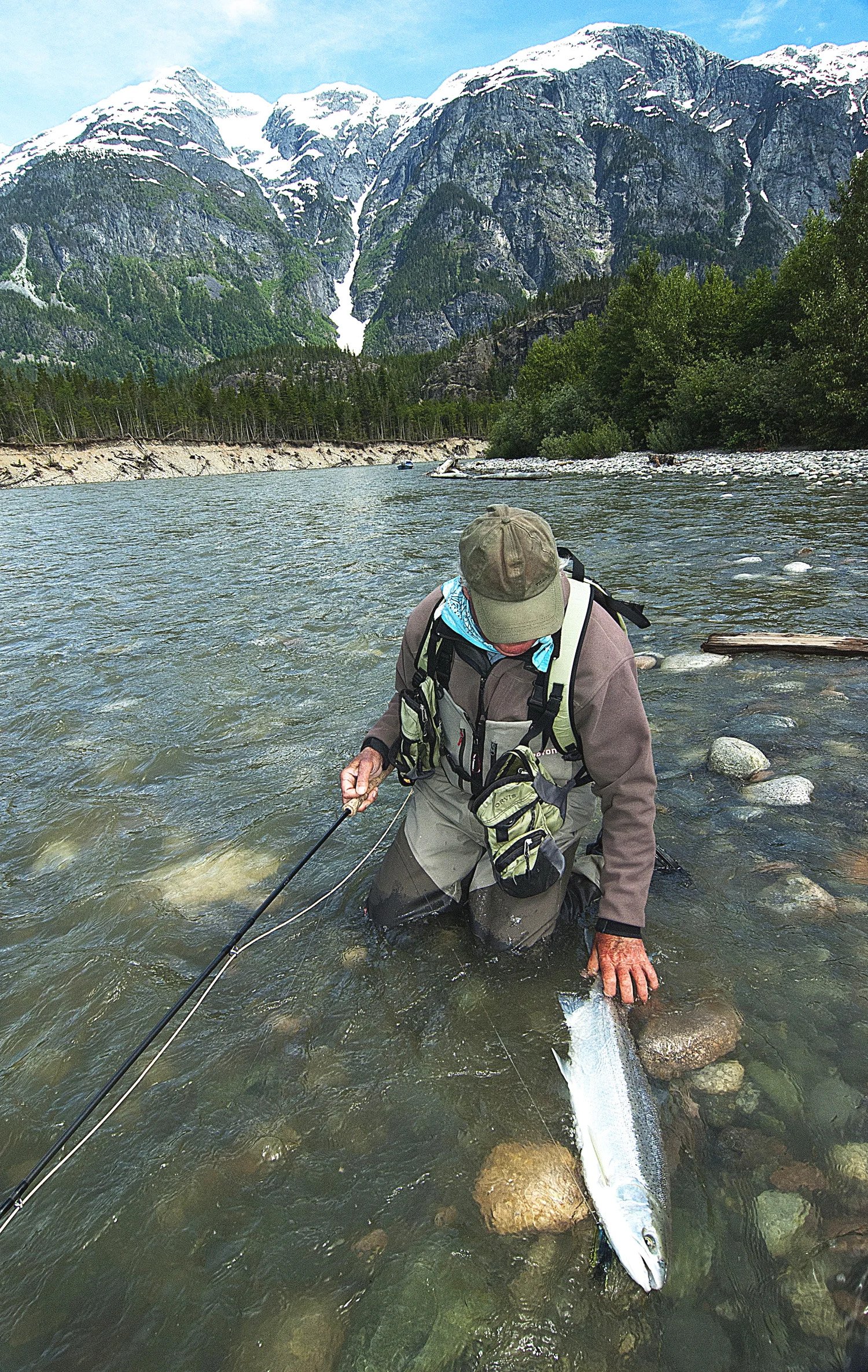
Dean Channel, snow capped mountains, and a glowing chrome steelhead.